Notice:
The advice given on this site is based upon individual or quoted experience, yours may differ.
The Officers, Staff and members of this site only provide information based upon the concept that anyone utilizing this information does so at their own risk and holds harmless all contributors to this site.
I have owned my boat for two seasons now and I have ignored my exterior teak for far too long. I have been very intimidated by the thought of removing it and doing a proper job of varnishing. This is the year that I will over come that fear.
I have removed almost all exterior teak and have started the process of preparing it for varnish. My question for this esteemed body is this:
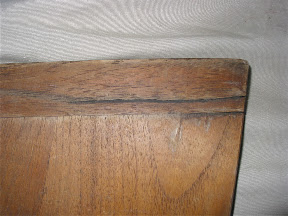
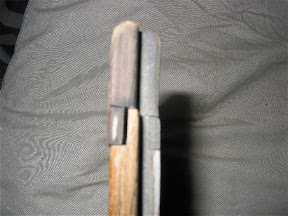
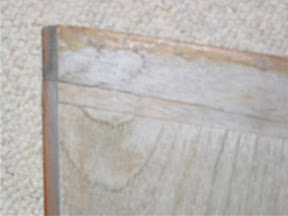
The middle hatchboard has a rather significant crack. I am not much of a woodworker and really have no idea as to how to approach this task. Any words of advice would be very appreciated.
Mark Britton Huntington, NY '82 C25 FK/SR #3202 "Good News"
Hi Mark, I'm fairly new to sailing but I'm a carpenter and cabinet maker. I removed all the teak from our boat this fall to refinish and repair. I did buy new teak to replace 3 pieces but sanded the rest which came out like new. I repaired one of the hand rails by using the sanding dust and glue mixed together, then clamped it for 3 days. It came out like new. I'm on my forth coat of cetol with one to go. It's not as difficult as you may think but you could always take it to a cabinet shop for repair. If you have any questions, you can contact me at www.hrick@neovoice-comm.com." target="_blank">www.hrick@neovoice-comm.com. Good luck, Herb
Mark, love that " Cape Cod grey pictured in one of your pictures. Hope you don't sand it away and Cetol it. It took me twelve years ignoreing the highly polished teak exterior of my boat to have it looking like the teak pictured in your post.
I repaired nearly identical damage using WEST epoxy thickened with teak dust. Epoxy is damaged by ultraviolet radiation, but the Cetol should protect it OK. The real strength of the repair is safe from UV anyway, so this is at most a cosmetic issue.
Be sure to get the faying surfaces clean and oil free using acetone or similar. Clean out any splinters which are preventing the parts from fitting back together tightly. If you're concerned about the small surface area of the bond, you could add hardwood pegs or roughened SS metal pins (no need for screw heads) similar to the way bones are repaired.
I find the hardest part of doing daunting types of repairs for the first time is getting started. I often look back thinking, "That's all there is to it?" instead of, "What a can of worms that turned into!" So dive in. Teak is so strong, durable, and resilient, it's hard to permanently ruin it.
Notice: The advice given on this site is based upon individual or quoted experience, yours may differ. The Officers, Staff and members of this site only provide information based upon the concept that anyone utilizing this information does so at their own risk and holds harmless all contributors to this site.